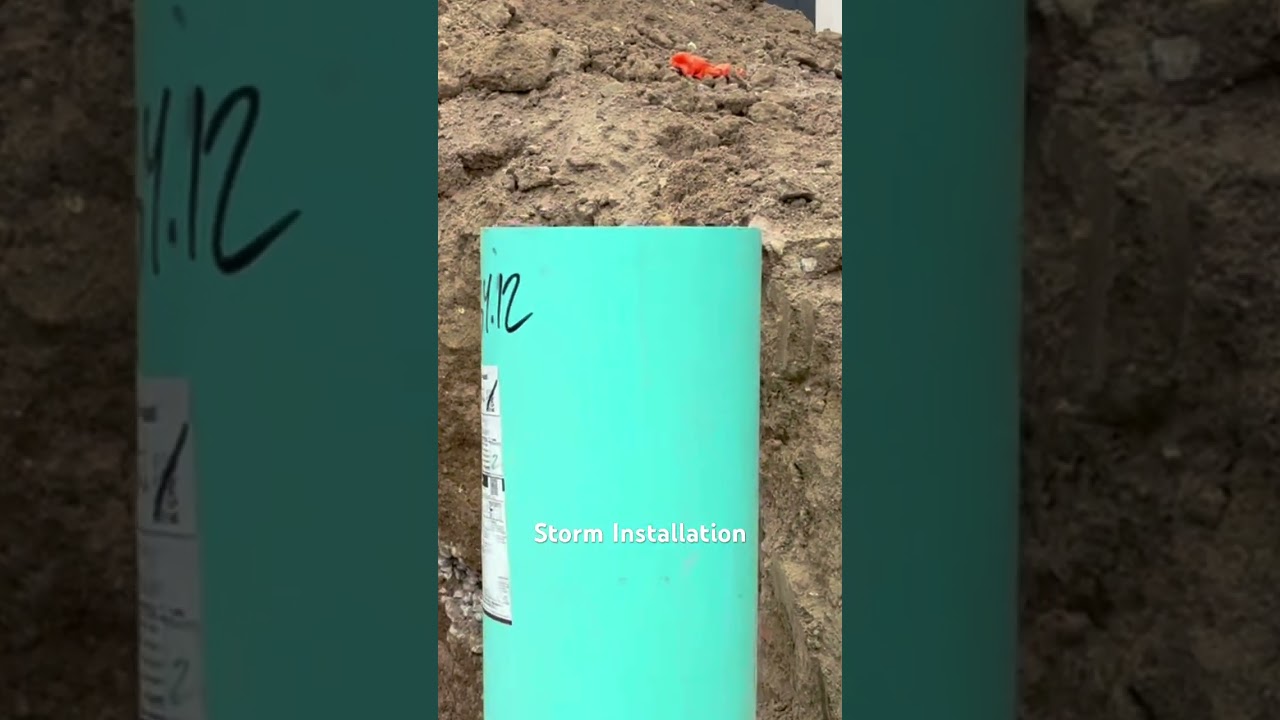
Storm drain systems, often called storm sewers, are a series of inlets, catch basins, and pipes designed to collect and transport runoff from streets and pavement. The primary purpose of storm drains is flood prevention and water management.
Unlike sanitary sewers, water in storm systems is typically discharged into local waterways untreated. For this reason, storm sewers in Denver are never combined with sanitary sewers.
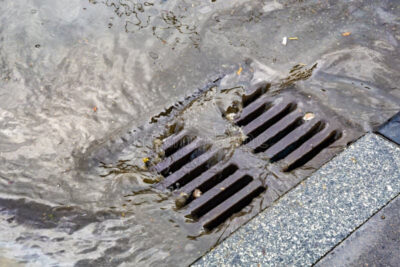
The primary components of a storm drain system includes:
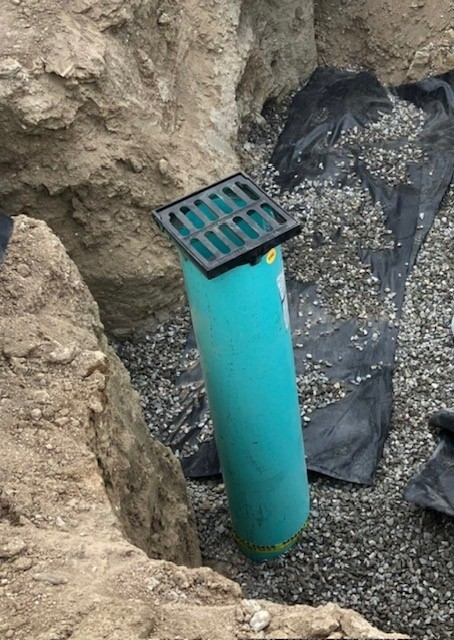
- Inlets – Often visible as grates on the street or curb. These work similar to very large shower drains, allowing water from the surface to enter the drainage system. Often, inlets will need to be traffic-rated because they are in roadways.
- Catch Basins – These curb-side drains have a reservoir to collect debris before it enters the pipes.
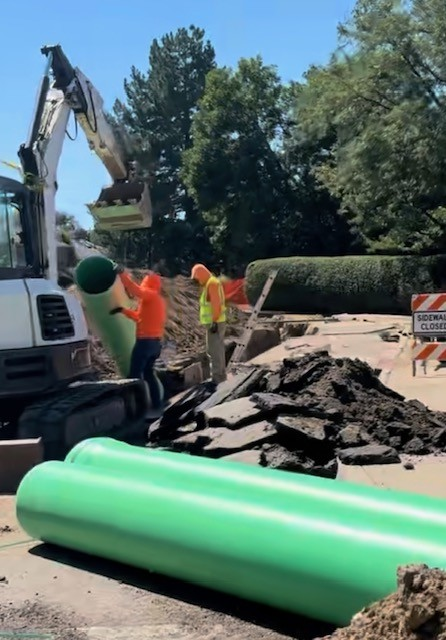
- Pipes – Pipes carry water through the system. Pipes in storm sewers can be as small as 4 inches in diameter, but they are as often much larger – 10 inches to 24 inches in diameter is not uncommon. Pipes can be made from a variety of materials including clay, concrete, corrugated steel, plastic, and PVC.
- Outlets – Points where the storm water discharges in to a body of water such as a creek, retaining pond, or canal.
- Manholes – Many storm sewer systems have manholes are intervals that allow for easier cleaning and inspection of pipes.
Common Problems with Storm Drains
- The most common problem with storm sewers in Denver is debris clogging the pipes or inlets, which can cause flooding.
- Older pipes can corrode or collapse over time, creating underground leaks that can also cause flooding, or if undetected, sinkholes.
- Construction and property improvements may change the water volume or drainage on a property and often required installation of new or enhanced storm drains. The city of Denver will require a Sewer Use and Drainage Permit that specifies changes to the storm sewer system.
Storm Drain Maintenance and Repair:
- Inspect Inlets – Sewer Lines Only recommends inspecting inlets and catch basins a couple times a year to ensure they are free of debris and flowing properly.
- Clean Pipes – It is a good idea to clean and inspect the pipes in your storm drain system every 1 to 3 years depending on the condition. The pipes can typically be cleaned with a hydrojetter and inspected by camera or robot crawler.
Need Storm Drain Service?
Whether you’re dealing with clogged inlets, flooding concerns, or need a new storm drain system installed, we’re here to help—no stress, no upsells, just expert service. Call 720-340-7847 or request a quote online.