Building Smarter ADUs: A Guide to Water & Sewer Planning in Denver
How Early Plumbing Coordination Prevents Delays, Reduces Rework, and Keeps ADU Projects on Schedule
Accessory Dwelling Units (ADUs) continue to surge in popularity across the Denver metro area—offering homeowners extra living space, rental income, and long-term property value. Denver’s policy changes (effective December 16, 2024), which allow ADUs in all single-family zones without rezoning, have accelerated demand and many other cities have followed suit.
For contractors, this growth represents a significant pipeline of small, profitable projects. But ADUs also come with unique infrastructure challenges, especially when tying new living space into older water and sewer systems. Even with simplified zoning, water, sewer, and utility requirements remain one of the most common sources of project delay and cost overruns.
This white paper provides ADU builders with practical guidance and proven best practices—drawn from Sewer Lines Only extensive experience supporting ADU projects from underground utilities to finished plumbing.
Why ADU Plumbing Requires Early Planning
ADUs introduce new residents, new fixtures, and new water and sewer load into existing systems. That means the plumbing plan must work for both the new structure and the original home.
Contractors who involve a plumbing partner early avoid the most common problems:
- Discovery of failing or undersized sewer lines mid-project
- Inaccurate assumptions about the sewer routing or depth
- Permit delays caused by missing SUDP details
- Unexpected city-required upgrades (e.g., full line replacements due to clay or Orangeburg)
- Project shutdowns due to building over non-compliant or unapproved utilities
Catch these early and you protect your schedule, your budget, and your reputation.
Key Considerations for ADU Water & Sewer Installation
1. Locate and Verify the Existing Sewer Line
What contractors assume about existing utilities is often wrong. Many older Metro-area neighborhoods have inaccurate or incomplete city maps, shared sewer taps, lines crossing into neighboring properties, and shallow or inconsistent depths.
We have seen builders accidentally cut their own sewer line, or worse, a neighbor’s line, simply because the routing wasn’t verified.
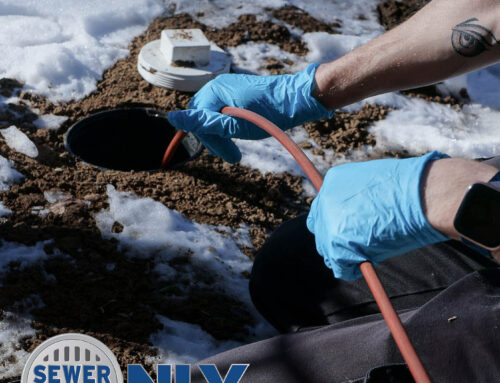
Before breaking ground, always scope and locate the sewer line in order to:
- Confirm the location and depth of the line.
- Confirm material type and condition
- Identify any tie-ins, connections, or secondary lines
- Evaluate whether rerouting or replacement is required
2. Plan for Increased Water Demand
Increased living space means more people and more water use which can impact both your incoming water supply and drainage. This may require increasing the size of the water supply connection to maintain good water pressure and addressing any damaged or undersized sewer lines to ensure proper drainage.
In most cities and water districts, the permitting process will require an assessment of the the new expected water use versus the existing service to the home. Here are some important things to be prepared for:
- Current service line diameter and material
- Pressure at the home
- Pipe age and condition
- Meter location (there are rules for meter proximity to sidewalks, landscaping, and roads)
- Occupancy and number of fixtures in the ADU.
ADUs often require larger water service lines and upgraded supply lines to the main home.
3. Get Your Sewer Use and Drainage Permit (SUDP) Early
The Sewer Use and Drainage Permit or SUDP is the backbone of ADU utility permit approvals in Denver area. Common city requirements include:
- Replacing clay, cast-iron, or Orangeburg lines
- Bringing existing utilities up to current code
- Prohibiting building over non-compliant lines
- Required setbacks and easements
- Adding cleanouts or rerouting lines before foundation work
The most expensive plumbing and utility problems are those discovered after the concrete is poured.
Because SUDP decisions often change scope and budget, it’s essential to obtain the SUDP before you finalize plans or pour a foundation.
Pro Tip: New tap connections for water and sewer can be pricy. Submit tap applications early so there are no late-stage budget surprises.
How Sewer Lines Only Supports ADU Builders
Sewer Lines Only is a one-stop solution for all ADU-related water, sewer, and plumbing needs—from underground installation to interior finish and fixtures.
Our Services Include:
Underground Utilities
- Scope & Locate
- Sewer line installation, rerouting, and replacement
- Water service line installation and upsizing
- Storm drains and site drainage
- Gas line trenching and installation
- Utility conflict evaluation
Interior Plumbing
- Full rough-in for ADUs
- Finish plumbing and fixtures
- Water heaters, tankless units, and shutoff systems
Project Support
- Extensive SUDP experience
- Relationships with water and sanitation districts throughout the Denver area
- Expert project management
- Proactive communication with GCs, excavators, and inspectors
- Coordination with site layout and foundation schedule
With more than 900 5-star reviews, licensed plumbers, and deep ADU experience, we help contractors deliver smoother projects and reduce surprises.
Our Promise: We start on schedule, finish on time, and pass inspection.
Building an ADU is a high-value project for homeowners—and a high-stakes project for contractors. With aging infrastructure, inconsistent maps, and evolving municipal rules, plumbing coordination is critical to keeping your schedule intact and avoiding costly surprises.
Sewer Lines Only brings the experience, systems, and hands-on expertise to support ADU builders at every stage.
Give us a call to discuss your project. 303-562-9800
_______________
Best Practices to Keep ADU Projects on Schedule
1. Schedule a Utility Site Visit Before Finalizing Plans – This helps identify utility locations, elevations, and required upgrades.
2. Scope the Existing Sewer Line – Never rely solely on city records; they are frequently inaccurate.
3. Submit SUDP Early – The earlier your SUDP and tap applications are submitted, the faster you can lock in budget and schedule.
4. Bring Your Plumbing Partner Into Coordination Meetings – Avoid conflicts between utilities, concrete pads, structural footers, and site grading.
5. Plan for Weather, Access, and Equipment – ADU sites often have tight access; planning ahead keeps excavation efficient.
303-562-9800 | info@sewerlinesonly.com www.sewerlinesonly.com