Many cities in the area have ramped up their oversite of landlords, making it even more important to have a plan for responding to problems such as sewer issues. As with many aspects of property management, a little foresight can prevent worst-case scenarios.
Landlords are typically responsible for maintaining the sewer lines from the property to the municipal sewer connection. This responsibility includes addressing blockages, leaks, or damages to ensure that the property remains habitable. Failure to address sewer issues in a timely manner can lead to legal consequences, such as tenant complaints, rent withholding, or fines from local authorities.
Here are four ways you can protect your investment from sewer-related issues:
1. Regular Maintenance
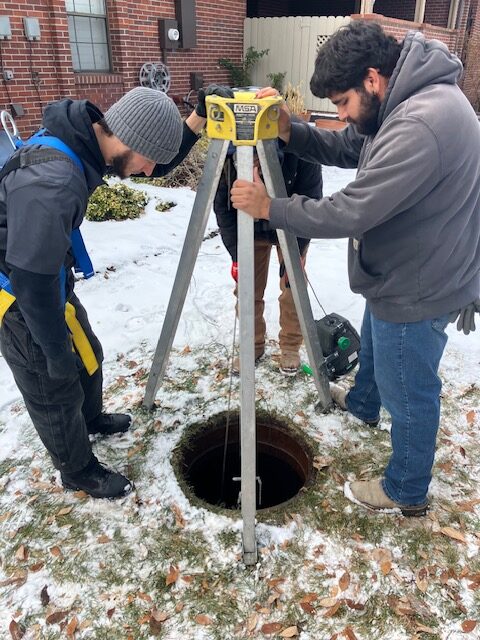
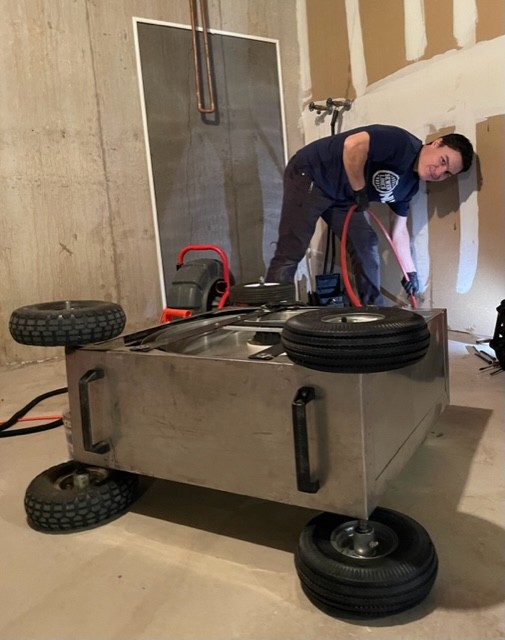
Regular cleaning and inspection can help keep sewer lines flowing properly and identify potential issues, such as root intrusion, cracks, or blockages, before they escalate. It’s a best practice to clean sewer lines each time you turnover tenants. This ensures no surprises for your new renter. Plus, in the event that damage was caused by the outgoing tenant (e.g., flushing improper items), you may have recourse through the deposit and damage clauses of your lease.
Tip: Older lines made of clay or cast iron may require more frequent maintenance. We recommend an inspection and cleaning at least annually.
2. Timely Response to Warning Signs
Addressing sewer problems quickly can save you from expensive repairs and potential property damage, while also minimizing liability. Common signs of a potential sewer issue include:
-
Slow drainage in multiple fixtures
-
Gurgling sounds from drains or toilets
-
Sewage odors inside or outside the property
-
Wet or soggy patches in the yard above the sewer line
3. Clarify Tenant Responsibilities
Setting clear expectations with your tenants can help prevent problems and minimize disputes. Here are a few best practices to consider including in your lease or policy documents:
-
Reporting Issues Promptly: Tenants should be required to report plumbing or sewer issues immediately to prevent further damage. This can be written into the lease as part of their responsibility to maintain the premises.
-
Damage Liability: Specify in the lease who is responsible for damage caused by tenant negligence. For example, if a tenant causes a blockage by flushing improper items, they may be held liable for the cost of repairs. Educate tenants on what can and cannot be flushed or poured down drains (e.g., no grease, wipes, or feminine hygiene products).
-
Routine Maintenance: Include language in the lease about routine maintenance procedures (e.g., professional inspections or cleanings) and clarify that these will be arranged and paid for by the landlord. Your lease should also include reasonable access rights.
4. Documentation
Clear records of all plumbing and sewer maintenance, inspections, and repairs can protect you in the event of a tenant dispute. Since there is a possibility of disputes arising from sewer problems, it is strongly advised that you have all work done by licensed professionals and ensure it’s inspected by your city or sanitation district.
Tip: Sewer Lines Only provides videos after all cleanings and repairs, as we have found that this provides peace of mind to all parties about the condition of the sewer line.
Additionally, use written notices to inform tenants about upcoming sewer inspections or maintenance work, as required by law.