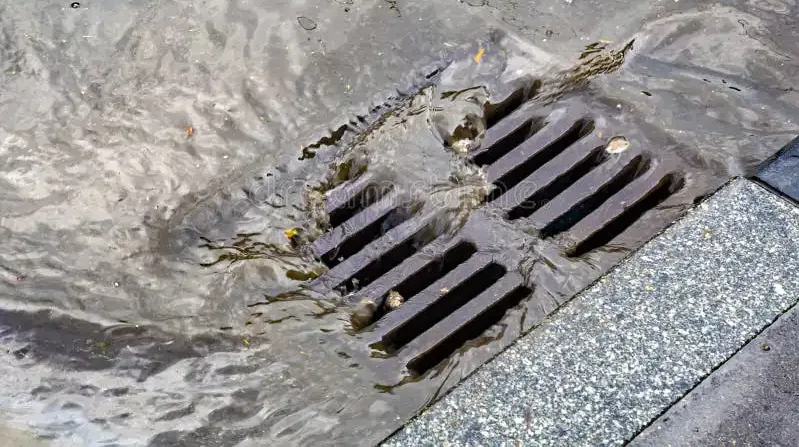
The storm sewer system and the sanitary sewer system are completely separate in Denver. The sanitary sewer carries wastewater from buildings to the treatment plant. The storm sewer carries rain and snowmelt runoff from parking lots, rooftops, and streets directly to waterways, with no treatment. A blocked storm drain does not back up into a toilet. It backs up into a parking lot, a building entry, or a landscape area, and the water has nowhere else to go.
Sewer Lines Only provides catch basin cleaning, storm drain inspection and scoping, storm drain repair, and structural maintenance for HOA communities, property managers, and commercial buildings across the Denver area, including Denver, Aurora, and surrounding communities. Storm system work is separate from sanitary sewer work, and the service requirements, cleaning intervals, and failure modes are different.
Properties that manage their storm drain systems on a maintenance schedule deal with flooding far less often than properties that respond to blocked drains after the damage is done. On the Front Range, intense afternoon thunderstorms can produce substantial runoff within a short period. When a catch basin is blocked, water can quickly collect in parking areas, near building entrances, or at other low points.
Call 303-562-9800 to schedule storm drain cleaning or to discuss a maintenance program for your property.
Storm Sewers vs Sanitary Sewers: Why the Distinction Matters
Property managers and HOA boards who deal primarily with sanitary sewer issues sometimes treat storm drain maintenance as lower priority. The two systems fail differently and the consequences of ignoring them differ in predictable ways.
| Storm Sewer System | Sanitary Sewer System | |
| What it carries | Rain and snowmelt runoff from parking lots, rooftops, driveways, and landscaped areas | Wastewater from toilets, sinks, and drains inside buildings |
| Where it discharges | Directly to waterways, detention ponds, or ground infiltration. No treatment. | To the municipal wastewater treatment plant. |
| When it fails | During rain events. Blocked drains show up immediately when water has nowhere to go. | Any time. Failures produce backups inside buildings, sewage odors, and drain issues. |
| Consequences of blockage | Parking lot flooding, building entry flooding, foundation water intrusion, erosion, landscape damage, stormwater compliance violations. | Sewer backup inside units or building drains, sewage release, tenant disruption. |
| What enters the system | Sediment, leaves, gravel, trash, oils from parking lot runoff, snowmelt grit. Prohibited: anything other than clean stormwater. | Wastewater, grease, organic material from normal building use. |
| Maintenance interval | We typically recommend semi-annual storm drain cleaning and inspection. Properties with lines over 20 years old or known drainage problems may require more frequent service. After significant weather events, inspect basins showing signs of overflow or inlet blockage. | Annual cleaning for most commercial buildings. More frequent for high-use or food service operations. |
In Denver, illicit discharge to the storm system, which means anything entering a storm drain other than clean stormwater, is regulated by the City’s stormwater quality program. Oils, soaps, wash water, fertilizer runoff, and solid waste that enter catch basins through surface runoff or improper disposal create compliance exposure for the property owner. Blocked catch basins that overflow onto adjacent streets or waterways create additional liability
Storm Sewer Services We Provide
Catch Basin Cleaning and Sump Maintenance
A catch basin is the access point where surface runoff enters the storm drain system. It consists of an inlet grate at the surface, a box structure below grade, and an outlet pipe connecting to the underground storm drain line. At the bottom of the box is a sump, a reservoir that captures sediment, debris, and pollutants before they reach the drain pipe. The sump is what fills over time and requires periodic cleaning.
When the sump is full, debris flows through to the drain pipe and accumulates in the line. A catch basin cleaned only at the inlet grate without clearing the sump is a catch basin that will pass its accumulated sediment downstream. We clean the full catch basin structure including sump, inlet, outlet, and the interior walls of the box.
Most commercial catch basins need annual cleaning. Properties with high parking lot traffic, significant tree cover over parking areas, or known sediment loading from adjacent disturbed soil need cleaning every six months. After significant weather events, we inspect and clean basins showing signs of overflow or inlet blockage.
Why Storm Drain Maintenance Matters on the Front Range
Colorado’s Afternoon Thunderstorm Pattern
The Front Range experiences intense afternoon thunderstorms between June and September that generate high runoff volumes in short periods. A typical Denver metro summer thunderstorm can produce 1 to 2 inches of rain in under an hour. The majority of that rain falls on impervious surfaces: parking lots, rooftops, driveways. Every drop that cannot infiltrate runs toward the nearest catch basin.
A catch basin with a half-full sump or a restricted drain line becomes visibly overloaded within minutes of a heavy rain event starting. The overflow goes wherever gravity takes it. On commercial properties with poorly maintained storm systems, that means water at building entries, water in basement stairwells, and water undermining pavement edges at low points.
Spring Snowmelt and Rapid Thaw Events
Denver receives significant snowfall between October and April, and Front Range snowmelt events can generate substantial runoff in short periods when warm temperatures follow heavy snowfall. Snowmelt runoff carries road salt, sand, and grit that was applied during winter maintenance. That material flows into catch basins and accelerates sump filling.
HOA communities and commercial properties that service catch basins in late spring, after the snowmelt season is complete, remove a season’s worth of accumulated road sand and grit before summer thunderstorm season begins. Waiting until midsummer means the system enters peak rain season with compromised capacity.
Denver’s Stormwater Compliance Framework
Denver operates a Municipal Separate Storm Sewer System (MS4) permit under the EPA’s National Pollutant Discharge Elimination System (NPDES) program. Commercial properties and HOA communities that discharge stormwater to Denver’s storm system are subject to requirements around illicit discharges, proper maintenance of private storm infrastructure, and preventing polluted runoff from entering the system.
Properties with catch basins that consistently overflow or discharge sediment-laden water onto streets or adjacent properties create compliance exposure under Denver’s stormwater quality program. Documented annual maintenance, including camera inspection records and cleaning service reports, supports compliance documentation if the city’s stormwater inspection program reviews a property.
Commercial Properties That Need Storm Drain Maintenance
HOA Communities
HOA communities with common area parking, shared driveways, and landscaped areas generate stormwater runoff across surfaces that the community owns and maintains. Catch basins in HOA parking lots and driveways are the community’s responsibility. When those basins overflow during rain events, the resulting flooding is on common area, the board is accountable for the maintenance record, and the long-term damage to pavement and landscaping is a shared cost.
We provide annual catch basin cleaning and storm drain inspection for HOA communities with written service reports after each cleaning. Documentation from each service cycle gives the board what it needs for maintenance records and provides evidence of proper maintenance if a stormwater compliance review occurs.
Signs a Property’s Storm Drain System Needs Service
- Standing water in parking lot low points more than two hours after rain stops
- Catch basin grates visibly full of leaves, gravel, or sediment before a rain event
- Soil or mulch visible in catch basin sump above the halfway point of the basin depth
- Water at building entry points, stairwells, or foundation perimeters during or after rain
- Pavement sinking, cracking, or showing voids near catch basin frames
- Outlet areas showing erosion, sediment deposits, or staining patterns consistent with overflow
- No documented catch basin cleaning in the past 12 months on a parking-intensive property
- Catch basin frame shifted, grate missing or damaged, or concrete box visible around frame
Our Storm Drain Service Process
Step 1: Site Assessment and System Mapping
We locate all catch basins and storm drain access points on the property, assess current condition at each basin (grate, frame, inlet, sump depth), and identify any surface drainage patterns that indicate existing problems. On properties with no prior storm drain service history, this assessment establishes the baseline.
Step 2: Catch Basin Cleaning
We clean each catch basin from the grate surface through the full sump depth. Sediment, debris, and accumulated material are removed and properly disposed of. Inlet and outlet openings are cleared of any obstruction. Grate condition and frame integrity are noted in the service report.
Why Properties Choose Sewer Lines Only for Storm Drain Services
- Full sump cleaning, not just grate clearing. We clean the complete catch basin structure including the sump. A basin cleaned only at the surface grate still has its accumulated sediment at the bottom where it will pass through to the drain line.
- Camera inspection available on every property. Storm drain line scoping is available as part of any service call. We recommend it for properties with no prior camera history or known drainage problems.
- Written service reports. HOA boards and property managers receive documentation of what was found and what was done at each basin after each service visit.
- Annual maintenance scheduling. We set up recurring storm drain service for commercial portfolios and send reminders before each service date. Pre-summer scheduling ensures catch basins are cleared before Front Range thunderstorm season.
- Storm drain repair capability. We repair catch basin structures, replace grates and frames, and repair underground storm drain pipe. Storm drain service does not end at cleaning if the camera or site assessment reveals a structural problem.
- Owned equipment, direct employee crews. No subcontracting. The crew that cleans the catch basins and scopes the lines is the same crew that performs any repairs.
- 927 Google reviews with a 4.9-star rating from HOA boards, property managers, and commercial clients.
- Free estimates. Free written estimates on all storm drain cleaning and repair work.
Frequently Asked Questions
Schedule Storm Drain Service in Denver or Aurora
Sewer Lines Only provides catch basin cleaning, storm drain camera inspection, drain line cleaning, and catch basin repair for HOA communities, property managers, and commercial buildings across Denver and Aurora. Annual maintenance scheduling available for property portfolios.
Call 303-562-9800 to schedule catch basin cleaning, a storm drain inspection, or to set up an annual maintenance program for your portfolio. Free estimates on all storm drain cleaning and repair work.
Use the contact form on this page for written scheduling requests. We respond to all storm drain inquiries within one business day.