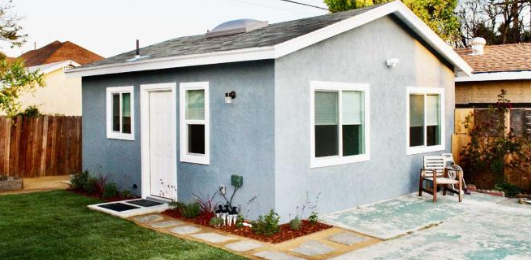
Accessory Dwelling Units (ADUs) have become popular in the Denver area. ADUs, also referred to as in-law suites or carriage houses, are stand-alone buildings outfitted to serve as a separate primary residence located on the same property as a single family home.
For homeowners, ADUs are a cost effective way to add living space or rental income. Cities have also come to view ADUs as part of the solution to affordable housing and are taking steps to make them easier to build.
Effective December 16, 2024, Denver has made the process of approving an ADU significantly easier by allowing them to be built in any single-family neighborhood. Previously, ADUs often required the homeowner to rezone the property, which added time and expense to the process.
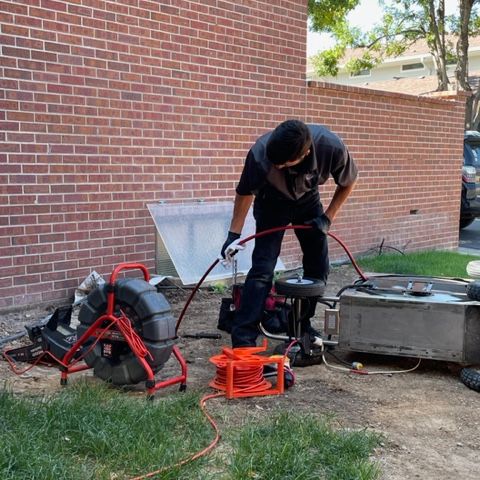
By definition, an ADU has living space along with a kitchen and bathroom, both of which require water and sewer. Sewer Lines Only has installed water and sewer lines for many ADUs. Here are some tips for making your ADU’s water and sewer installation go smoothly.
- Know where your sewer line is – This is critical for various reasons. Not only will you need to connect the ADU to the sewer main, but you may need to reroute or build around your existing line. It is also important to have the line scoped to check for any connections. We have seen builders accidentally cut off secondary sewer lines or even disconnect the neighbor’s service (this does not make friends) when rerouting a line for an ADU. Keep in mind that in many older neighborhoods, the city may not have accurate maps of where sewer lines run.
- Your water use will increase – Increased living space often means more people and more water use which can have impacts on both your incoming water supply and your drainage. Many homeowners increase the size of their water connection in order to support the ADU and maintain good water pressure. Similarly, undersized or deteriorating sewer lines may not be able to handle the increased flow.
- Apply for permits early – Municipalities can require a variety of updates and changes to existing sewer lines before approving an ADU. For example, they will usually require that old sewer lines be replaced with modern materials before building on top of them. These requirements can significantly change the cost of sewer and water installation for the ADU and impact the overall building plan. We strongly recommend having a sewer plan and permit prior to beginning construction. In Denver this is called a Sewer Use and Drainage Permit (SUDP).
Of course there are many other considerations beyond water and sewer when building an ADU. All ADUs require building and sewer and drainage permits along with inspections from the appropriate municipal departments. As new buildings, they must be constructed to modern building standards and may require that other parts of your property, such as utilities be brought up-to-date as well. In addition, you’ll need to understand and comply with any easements or offset requirements in your neighborhood. Noncompliance may result in rework or the inability to receive a certificate of occupancy. Denver’s ADU requirements can be found here . We suggest hiring a qualified general contractor to manager your ADU build.
We have extensive experience helping homeowners and contractors with sewer and water for ADUs and other home expansion projects. Give us a call at 303-562-9800 to discuss your project.