| A sewer backup occurs when wastewater moves the wrong direction through the sewer system—when dirty, disgusting water comes up through your drains, sinks, and toilets, rather than flowing down them.
Whenever sewage is present due to backups, it poses a danger to everyone in your family. This human waste is a biohazard that emits physical and airborne contaminants into your living areas as well as vapors.
If you have a sewer backup, you need to act quickly. Here is the best plan of attack:
Diagnose and Clear Blockages
Once you realize that there is a water backup, check all of your sinks, toilets and wastewater pipes to locate any blockages. Try not to use your sinks, toilets, dishwasher or your washing machine until the blockage is cleared.
Determine if the issue is isolated to one drain or toilet, or if it’s impacting all the drains and toilets in your home. If you are experiencing problems with only one drain, you likely have a plumbing issue. You may be able to resolve the problem yourself with a plunger or other device.
If all of your drains and toilets are affected, it is likely your main sewer line that is the issue. Sewer Lines Only can help determine if it is a blockage that can be cleared using our cleaning system or if it will require a repair (perhaps a collapsed line).
Take Some Safety Precautions
If you’ve got a widespread backup occurring, there are a few things you can do to make things safer while you await professional help.
First: electricity and water are a dangerous combination.
Don’t enter your basement when there is standing water present; wait until the power is shut off. If you need to enter the basement in order to shut off the power (as is commonly the case), take precautions first:
- Wear rubber boots, safety glasses and a face mask.
- Be sure you aren’t coming into contact with anything metallic that could conduct electricity.
- Wear rubber gloves or use a wooden stick to shut off the electricity.
Open some windows in the flooded area to allow fresh air into the rooms and fumes to escape. You can also add a bit of bleach to any standing water to provide some disinfection.
Be sure to keep children and pets away from the affected area. Exposure to effluent can make some people sick. If there are at-risk people at home like kids or the elderly, it’s best to have them go someplace else until the problem’s resolved.
Document What Happened
Document the damage and inventory of items by taking photos with your cellphone or camera.
Having documentation will be helpful when working with your insurance company.
If your home insurance policy does include coverage for water backups, you want to be able to illustrate the issue and the resulting damage. As soon as you’ve got a handle on the situation, get in touch with your insurance provider. They’ll help guide you through the process of remediating the damage.
Cleaning Up Afterward
Once the blockage has been cleared and/or the pipes repaired, the waters should recede and allow for cleanup.
If your home suffered considerable damage, you probably want to hire professionals. The damage left behind by sewage is both disgusting and dangerous. If your home insurance policy does cover the water backup damage, they’ll help you pay for the remediation.
We recommend Rocky Mountain Restoration. They can be reached at 303-999-8832.
If you do decide to take on the cleaning and repairs yourself, don’t skimp on the personal protective equipment: wear an N95 facemask, safety goggles, thick rubber gloves, and rubber boots. Basically, you don’t want any sewage material to touch your bare skin or come anywhere near your mouth, nose, or eyes.
Open windows/doors and use a dehumidifier to remove moisture and dry out the areas to prevent mold growth. Do not use a fan. Mold spores can form after 24-48-hours after water exposure and if mold is present, a fan will only spread the spores throughout the area.
The first step while you’re cleaning up is to remove everything movable from the affected area. Place everything somewhere that you’ll be able to easily clean afterward: a concrete floor, or a tarp in the backyard.
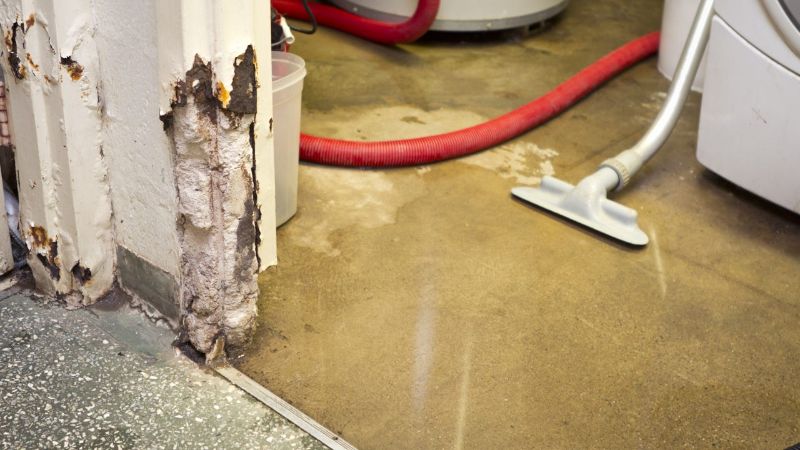
To clean up the flooded space, use a shop vacuum to remove liquids and solids. Use the wet-dry setting to accommodate the waste.
For areas with absorbent materials such as wood or carpet on the walls or floor, remove and discard material. Depending on how high up the walls the water reached, you may also need to pull out the wall paneling to prevent mold growth. Clean all solid surfaces with disinfectant.
After you’re done cleaning each day, wash the clothes you were wearing, and shower with hot water and antibacterial soap.
Going Forward
Regularly have your sewer line cleaned and inspected. We recommend annually if you have an older clay line and every 2-3 years if your line is PVC.
Install a leak detector near a floor drain to warn you if liquid is present, so that you can act quickly. You can purchase one on Amazon HERE. If you’re at risk of having a back-up, this is the best $9 you can spend.
We would be happy to discuss your situation and find the best solution for you.
We’re here to help!
303-562-9800
|