| Summer is approaching and that means many homeowners are planning home improvement projects. Properly functioning sewer lines are out of sight and therefore out of mind, but don’t overlook them when you plan projects. If you are planning any of these projects, take a moment to consider your sewer line.
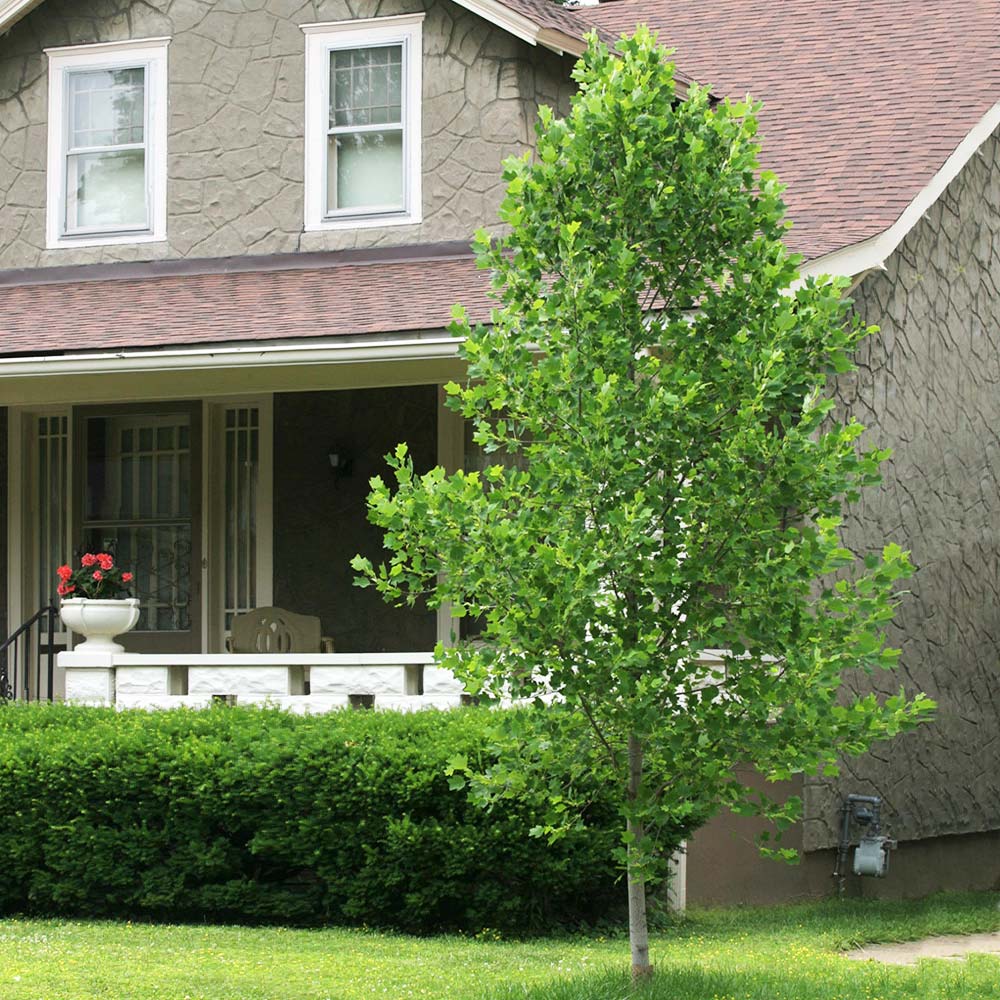 Trees – Trees are a great addition to every yard, but tree roots are one of the most common causes of sewer line damage. That does not mean you shouldn’t plant a tree. Rather, you may want to avoid species with especially invasive roots such as silver maples and poplar variations that are very popular in Colorado. It is best to avoid planting trees in immediate proximity to your sewer line to reduce the chance of having a problem.
Structures – Common examples include home additions, garages, and accessory dwelling units (ADUs). Some of the most complicated (and costly) repairs we have encountered involve accessing a line after a structure was built on top of it. While trenchless repair methods can sometimes avoid a worst-case scenario, the best time to replace an old sewer line with modern materials is BEFORE you build on top of it. In fact, many municipalities require a sewer line replacement or reroute before approving building plans.
Landscaping – To avoid disturbing patios, decks, sidewalks, and decorative landscaping in the future, we recommend that you have your sewer line inspected before installing anything on top of it. Better safe than sorry.
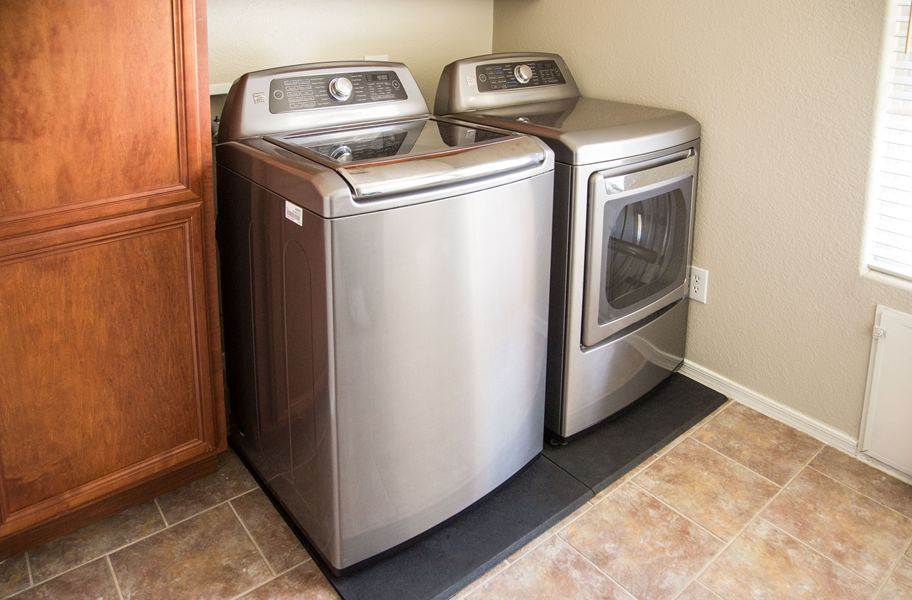 Appliances – Water usage and drainage are often overlooked by people when upgrading or expanding their homes. Increasing the number of bathrooms, dishwashers, or laundry machines can tax small or compromised sewer lines, accelerating clogs and causing back-ups. It is also worth noting that many older homes have small-diameter water lines that may need to be upgraded in order to maintain desired pressure after adding appliances, sinks, and showers.
Mud Jacking – Mud jacking is a process used to raise sunken concrete slabs. It can be less expensive and invasive than replacing your driveway, patio, or sidewalk, however, it is common for sewer lines to run under the pavement. If the mud jacking material is injected into the soil near the sewer line, it can cause low spots or breaks in the line. You should locate your sewer line before mud jacking. If it runs under the concrete, we recommend that you have it inspected. In some cases, a broken sewer line can actually be the cause of the sinking pavement.
Unfortunately, we see a lot of avoidable sewer line problems caused by home improvement projects. Here are three tips for avoiding them:
- know where your sewer line runs before you start any construction or landscaping project,
- keep in mind that anything that changes your water use could change the performance of your water and sewer lines, and
- when in doubt, involve a professional.
We’re here to help when you need it – 303-562-9800. Sewer Lines Only has extensive experience working with contractors and homeowners on these and other home improvement projects. |