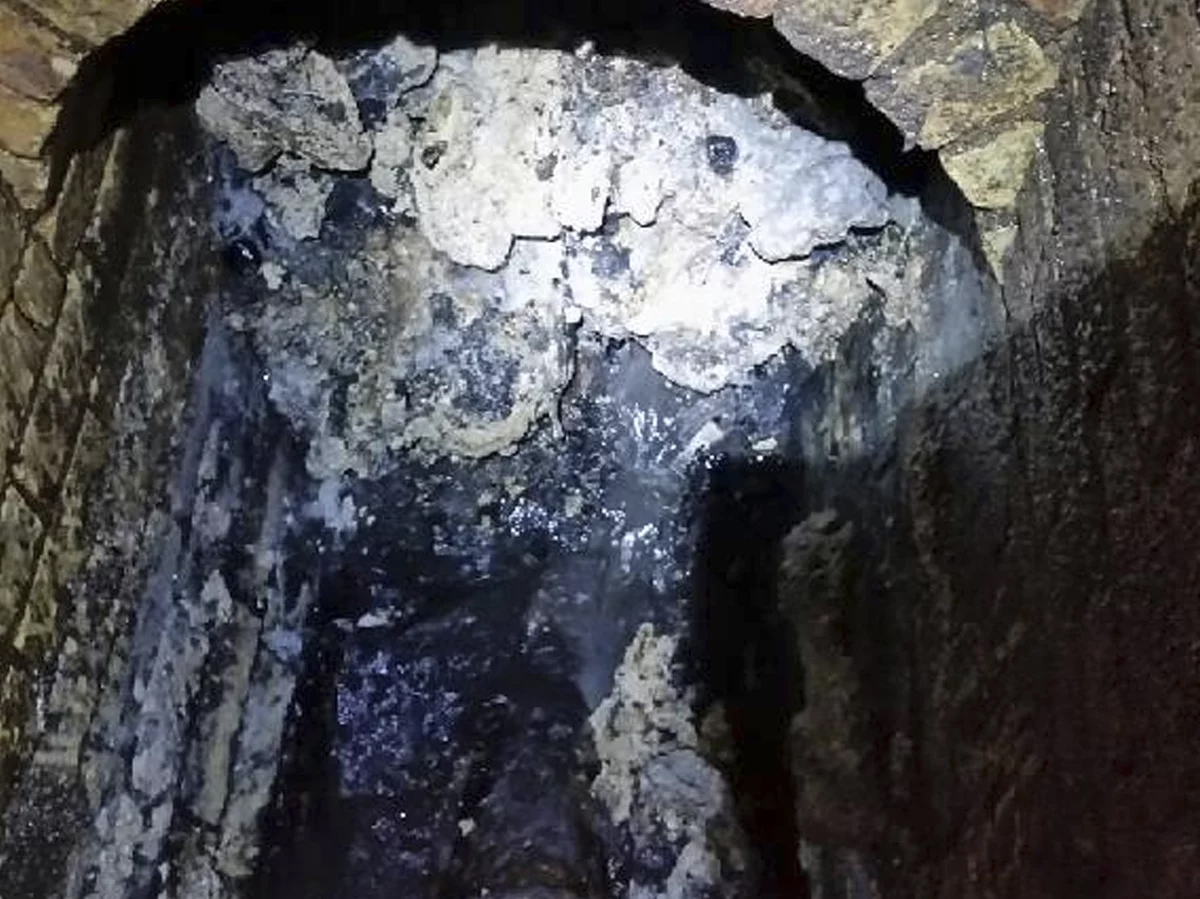
| A fatberg is a term used to describe a congealed mass of fat, oil, grease, and other non-biodegradable items that accumulate in sewers and wastewater systems. It’s like a giant, solid blockage that can cause serious issues in the plumbing and sewage infrastructure. Fatbergs are usually formed when people pour cooking oils or fats down the drain, and they solidify and stick to the walls of the pipes. They can become massive and difficult to remove, so it’s important to dispose of fats and oils properly.
The London Fatberg gained quite a bit of attention a few years ago. It was discovered in the sewers beneath Whitechapel, East London, in 2017. This fatberg was one of the largest ever recorded, stretching over 250 meters long and weighing approximately 130 metric tons. It was a conglomeration of fat, oil, wet wipes, and other waste products that had accumulated over time.
 The London Fatberg caused a lot of concern because the blockage created by the fatberg hindered the flow of wastewater and could have led to sewage overflows and flooding if left unaddressed. It took several weeks of intense manual labor and specialized equipment to break down and remove the fatberg.
The discovery of the London fatberg highlighted the importance of proper waste disposal and served as a reminder that we all have a role to play in keeping our sewage systems healthy and functioning properly.
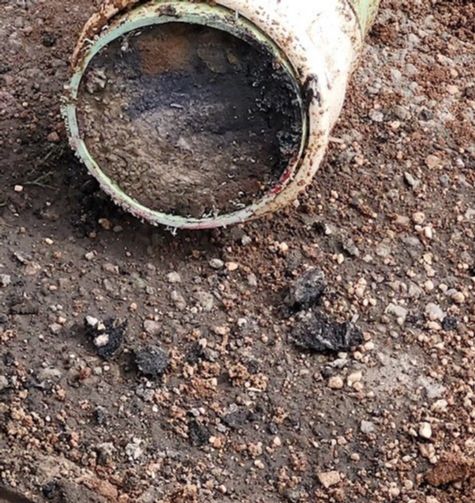
We encounter fatbergs regularly as we inspect and repair sewer lines. Although grease remains a significant cause of clogs, the increased use of so-called flushable wipes, which do not degrade as well as toilet paper, is also a factor in creating blockages.
We’re here to help when you need it – 303-562-9800.  Follow us on INSTAGRAM for interesting projects and tips about your sewer line.
|


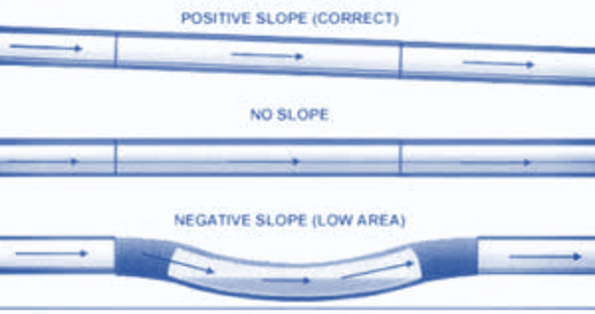 Sewer lines are gravity-driven. They drain downhill. When a sewer line is flat or has a negative slope, it doesn’t drain well. Settling is a common cause of slope problems in sewer lines, but in many cases poor engineering is the culprit. For example, lowering a home’s sewer line during a remodel may not leave enough slope to get to the sewer main. In some cases, the city main is not installed deep enough to accommodate the required slope.
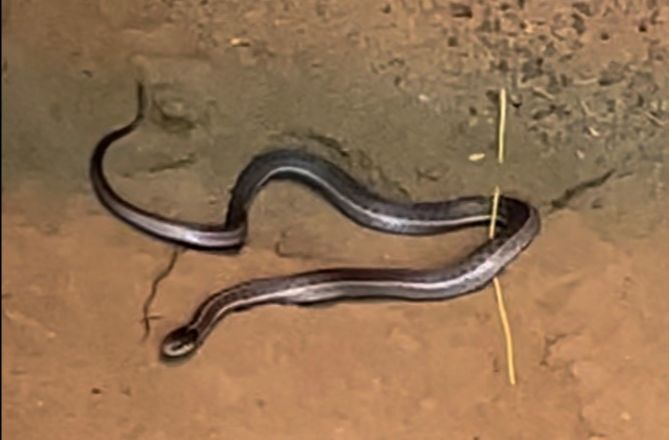 Sometimes critters find their way into our trenches. This little guy was safely relocated.