| There are lots of things that can go wrong with your homes sewer line. Fortunately, not all sewer line problems require expensive repairs. Here are the top five sewer line problems we encounter and what to do about them.
CLOGS
This is fairly self-explanatory. A clog happens when something inside the pipe blocks the flow of your sewer line. Clogs can be caused by foreign objects, deteriorated lines and a myriad of other things, but the most common causes of clogs are grease build-up and tree roots.
- What to do about a clogged sewer line – Clogs are the most common sewer line problem and they are also the easiest and cheapest to fix. In most cases professional sewer cleaning will resolve a clog. While clogs are easy to fix, the back-ups they can create are expensive and disgusting. So, if you think you might have a clog, act quickly. Tip: See THE PIPELINE article on drain cleaning vs drain clearing. Don’t get ripped off.
ROOT INTRUSIONS
It is very common for tree roots to make their way into sewer lines. While not always an immediate problem, over time the roots can gather debris or simply grow to the point where they create a clog.
- What to do about roots in your sewer line – A good sewer line cleaning can remove roots. In fact, if you have roots in your line, cleaning it regularly can hold the roots at bay and extend the life of your sewer line. This is a place where a little prevention can pay off. Unchecked, roots can damage your sewer line and require a larger repair.
BELLIES
A ‘belly’ happens when a portion of the sewer line sags and retains water and debris. The symptoms of a belly are often back-ups or bad smells from waste that remains in the line. Settling soil and foundations are the most common causes of bellies, but we also see low spots caused by landscaping or construction projects.
- What to do about a belly in your sewer line – Unfortunately, the only way to fix a belly is to excavate and replumb all or a portion of the sewer line to achieve proper slope. Trenchless repairs such as pipe bursting and pipe relining do not work for bellies because they follow the existing run of the pipe.
BREAKS
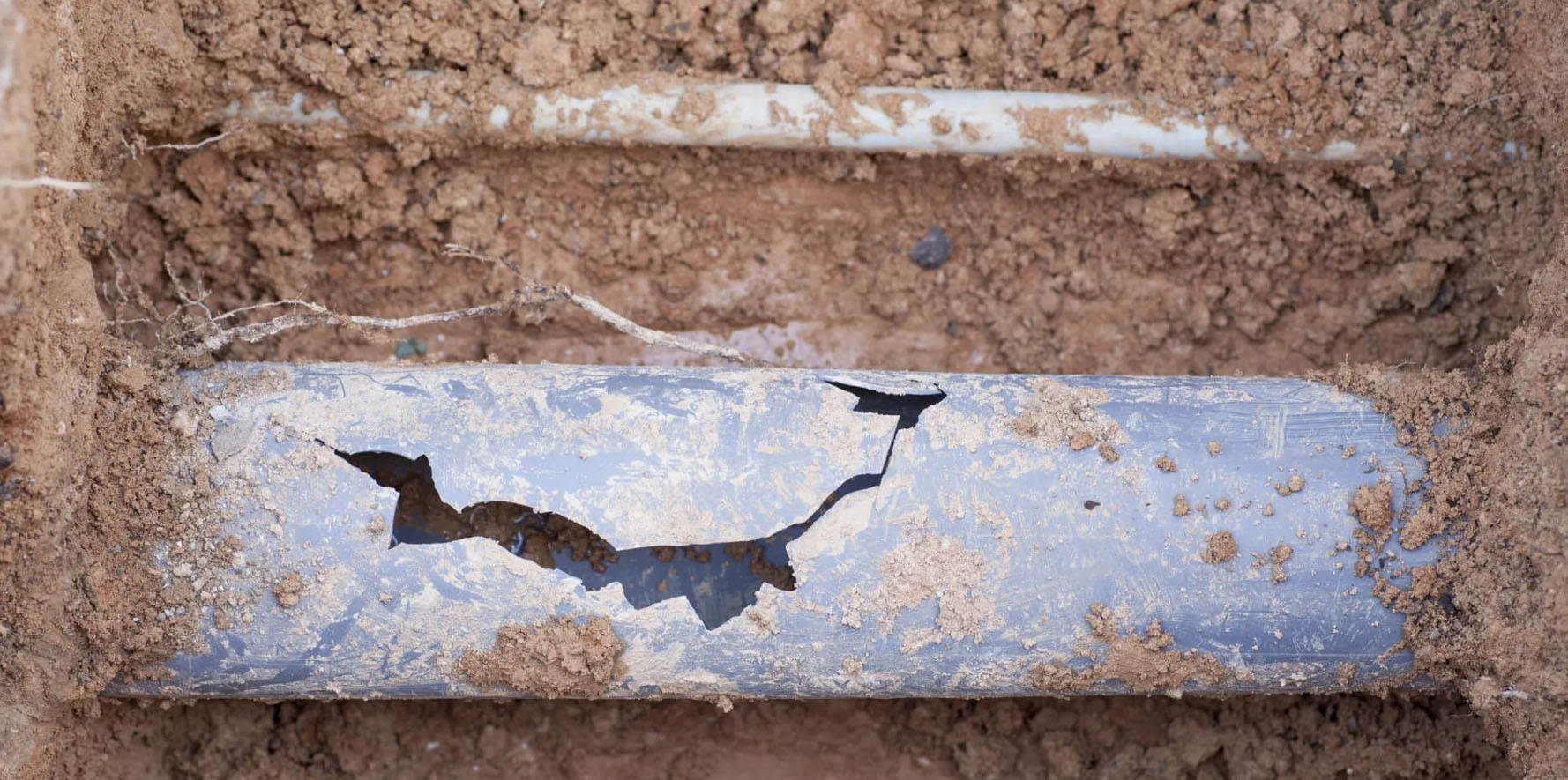
A break is a broad term usually referring to something more serious than a small crack such as a separated joint or pipe collapse that is impeding the function of the sewer line.
- What to do about breaks in your sewer line – Collapsed lines or large offsets will leak sewage into your yard and need to be repaired in order to prevent back-ups and maintain service. Trenchless repair methods, such as pipe bursting, can be a good solution for cracked or broken pipes as long as they have retained proper slope. Tip: Minor cracks or gaps may not need to be repaired immediately, but should be monitored to make sure they do not progress.
NO CLEANOUTS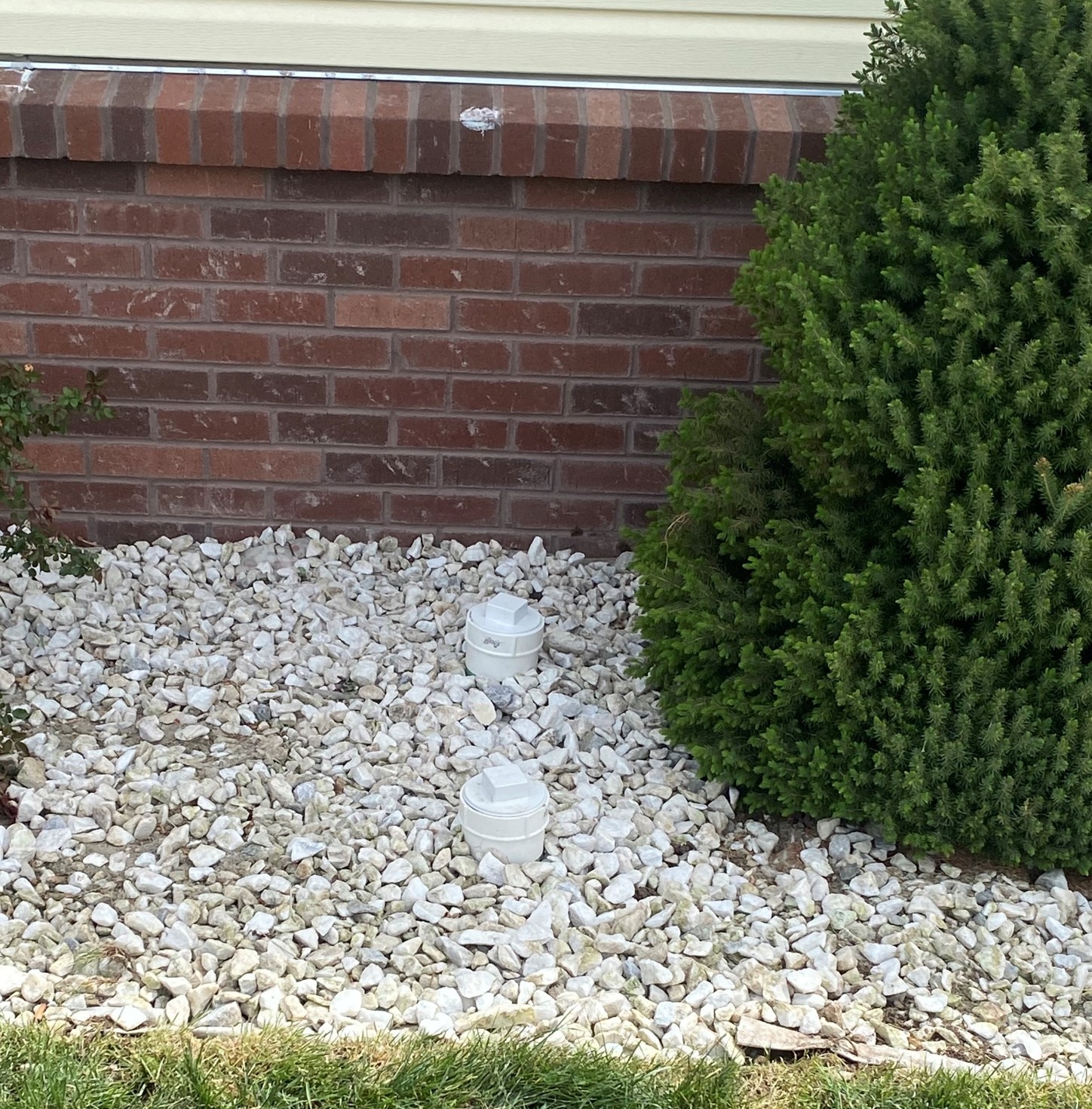
Cleanouts are openings that allow access to your sewer line for cleanings and inspection. Modern plumbing code requires cleanouts on the exterior of the home with no more than 100 feet between access points, but many older homes do not have accessible cleanouts at all.
- What to do if you don’t have sewer line cleanouts – You may not want to do anything. Not having cleanouts will not damage your sewer line. Installing cleanouts will make regular maintenance easier, safer, and often cheaper. For example, if you don’t have cleanouts, inspectors, plumbers, and cleaners will have to access the line through your roof, toilet, or floor drain which increases potential for mess and damage to your property. You may also be required to install cleanouts if you are doing remodeling or plumbing projects or when you sell your home in order to bring the property up to code.
We’re here to help when you need it – 303-562-9800.
 Follow us on INSTAGRAM for interesting projects
and tips about your sewer line.
|



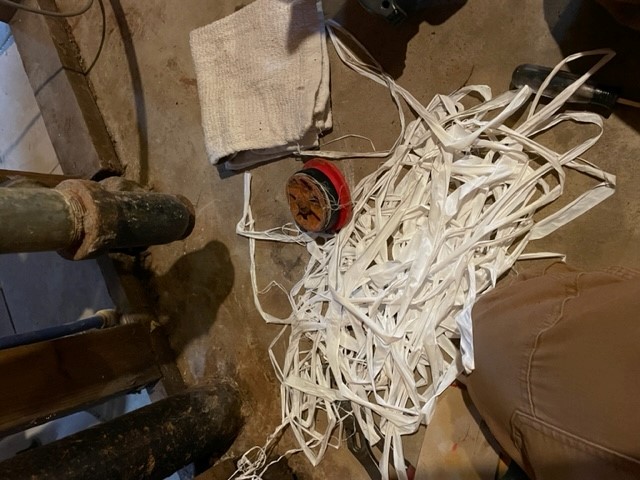 Sometimes our cleaners and technicians find strange things when we inspect a line. This picture shows almost 200 feet of teflon plumbing tape that one of our techs recently pulled out of a clogged secondary drain. Some DIYers like to say, “you can’t use too much plumbers tape.” We found at least one exception to the rule.